How British Operators Deploy Algorithmic Systems to Align Bingo Draws with Slot Prize Growth via Customised Promotions
Written by Avery Fischer · Nov 12, 2026
How British Operators Deploy Algorithmic Systems to Align Bingo Draws with Slot Prize Growth via Customised Promotions
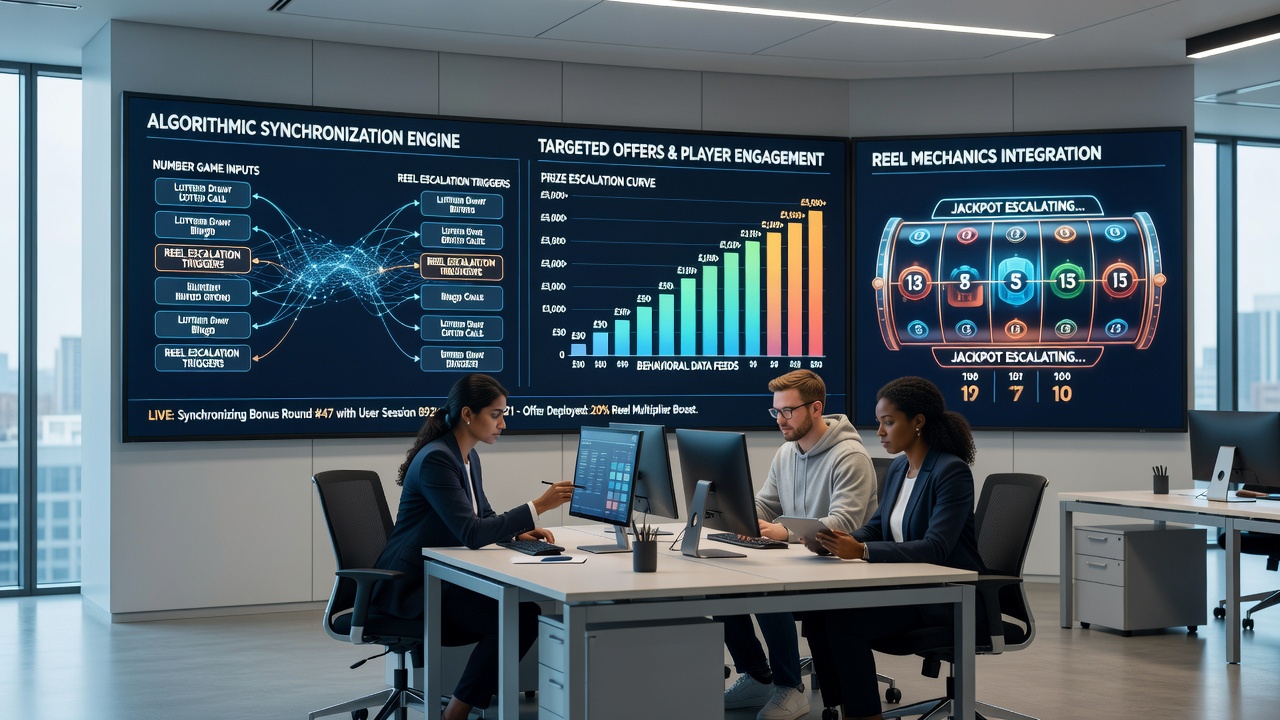
British operators integrate algorithmic platforms that track real-time participation in number-based games and adjust reel-based prize pools accordingly, and they route these adjustments through personalised offers that appear inside mobile and desktop interfaces. Data streams from bingo sessions feed directly into models that calculate probability thresholds for slot escalations, while promotional engines decide which players receive boosted multipliers or entry credits at specific moments. This coordination relies on machine-learning layers that process session length, stake patterns, and historical response rates, and it produces offers that appear seamless to the end user yet follow strict timing rules set by the operator's backend.Core Components of the Synchronisation Process
Operators maintain separate databases for number games and reel mechanics, yet they connect these stores through middleware that runs continuous queries every few seconds. When a bingo round reaches a defined participation threshold, the system evaluates whether a linked slot jackpot has room to expand without breaching licensed payout ratios. The algorithm then triggers a targeted message that offers extra cards or free spins, and the same logic monitors whether the player accepts the offer before altering the prize ladder on the reel side. Research from the Australian Gambling Research Centre shows similar data-matching techniques appear in other regulated markets, although British implementations add an extra layer that ties bingo call frequencies to slot volatility settings.
Engineers configure the models to respect daily loss limits and session reminders, and they test each rule set against historical compliance records before deployment. One documented case involved an operator that linked a weekly bingo tournament to a progressive slot pool; the algorithm increased reel contributions only after a minimum number of unique bingo cards had been sold, and it automatically scaled the offer value for players whose past behaviour indicated higher engagement with both formats.
Role of Personalisation Engines
Personalisation engines sit between the raw data and the front-end display, and they segment users according to dozens of variables including device type, time of day, and preferred stake ranges. When the core synchronisation model signals an opportunity, the engine selects the message format, the reward size, and the delivery channel that matches the segment profile. Observers note that these decisions occur within milliseconds, and the resulting offer can appear as a banner, a push notification, or an in-game pop-up depending on the ruleset active at that moment. Figures released by the European Gaming and Betting Association indicate that operators using such layered engines report measurable lifts in cross-format play without separate marketing campaigns.

Technical Infrastructure and Compliance Checks
The underlying infrastructure combines on-premise servers with cloud-based analytics clusters, and operators run daily audits that compare algorithmic outputs against licensed game rules. Random-number generators for both bingo and slots remain isolated from the promotional layer, yet the timing of prize escalations is allowed to respond to aggregated activity signals. Regulatory filings show that any change to escalation thresholds must be logged and made available for inspection, and the same logs feed into quarterly reviews that verify no offer exceeds permitted prize percentages. Industry reports from the Canadian Institute for Gaming Research highlight that comparable logging practices help maintain transparency across multi-format platforms.
Staff responsible for model maintenance update feature weights whenever new game variants launch, and they run A/B tests that isolate the effect of a single promotional rule before rolling it out more widely. These tests measure not only conversion rates but also whether the synchronised prizes alter overall session duration or spend distribution across the two formats.
Future Adjustments Ahead of Industry Events
Preparations for scheduled industry gatherings later in 2026 continue to influence how operators refine their algorithmic parameters, particularly around data-sharing standards between number games and reel systems. Teams review existing synchronisation logic to ensure any new offer structures align with upcoming reporting requirements, and they incorporate feedback from prior compliance cycles into the next model iteration. This ongoing calibration keeps the linkage between bingo activity and slot prize growth within documented operational boundaries.
Conclusion
British operators therefore rely on interconnected algorithmic systems that read bingo participation data, calculate suitable reel adjustments, and deliver corresponding offers through segmented channels. The process stays bounded by licensed parameters and audited logs, while the underlying models continue to evolve in response to new game releases and regulatory expectations. Data from multiple international research bodies confirms that similar technical approaches operate under comparable oversight frameworks elsewhere, yet the precise combination of timing rules and personalisation layers remains specific to each British licence holder.