The Interplay Between App Interface Design and Progressive Prize Triggers in Licensed Mobile Gaming Ecosystems
Written by Henrik Schmitt · Oct 29, 2026
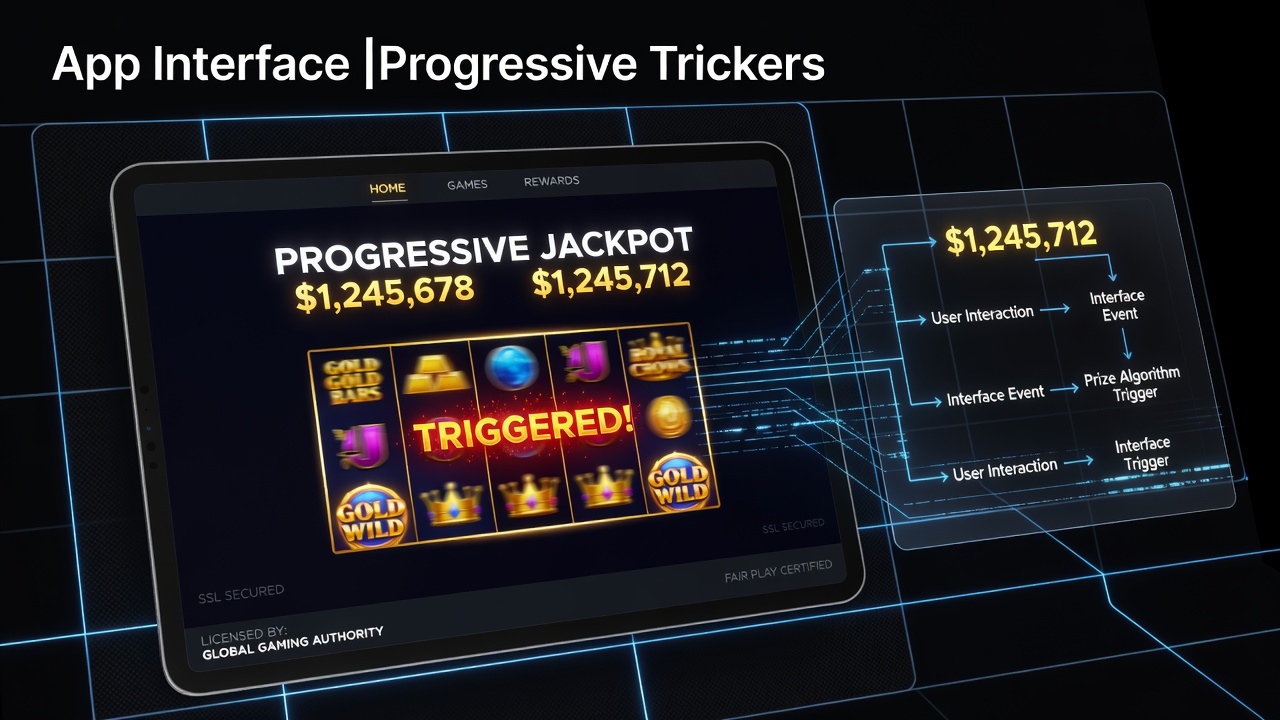
The Interplay Between App Interface Design and Progressive Prize Triggers in Licensed Mobile Gaming Ecosystems
App interface design shapes how players interact with progressive prize triggers in licensed mobile gaming ecosystems, where visual layouts, touch controls, and notification systems directly influence trigger activation rates and player progression paths. Licensed operators across multiple jurisdictions integrate these elements to comply with regional standards while managing prize pools that accumulate through collective player contributions.
Core Mechanics of Progressive Prize Triggers
Progressive prize triggers operate through algorithms that monitor bet volumes, session durations, and random number generators calibrated to specific thresholds, and interface design determines how clearly these mechanics appear on screen. Developers position progress meters in prominent screen areas, often near the main game canvas, so users notice incremental changes without disrupting core gameplay flow. Data from regulatory filings in North America shows that visible trigger indicators correlate with sustained engagement periods in state-licensed applications.
Touch-responsive elements such as swipe gestures and tap zones activate bonus rounds that feed into progressive pools, while subtle animations signal approaching trigger points without revealing exact probabilities. Researchers at institutions focused on digital entertainment have documented how color gradients and particle effects guide attention toward prize accumulation displays, creating a seamless connection between user input and system response.
Interface Elements That Influence Trigger Engagement
Navigation menus, reward dashboards, and real-time counters form the backbone of effective interface systems in licensed mobile environments. Designers arrange these components in hierarchical layers, allowing quick access to prize history while maintaining focus on active game sessions. Studies conducted in Australian markets indicate that streamlined menu structures reduce navigation time by measurable margins, indirectly supporting higher trigger participation across daily active users.
Adaptive layouts adjust to different device orientations and screen sizes, ensuring progressive meters remain legible whether players hold phones vertically or switch to landscape mode during extended play. Sound cues paired with visual flashes provide multisensory confirmation when a trigger activates, and developers calibrate these audio-visual pairs according to accessibility guidelines set by various licensing authorities.
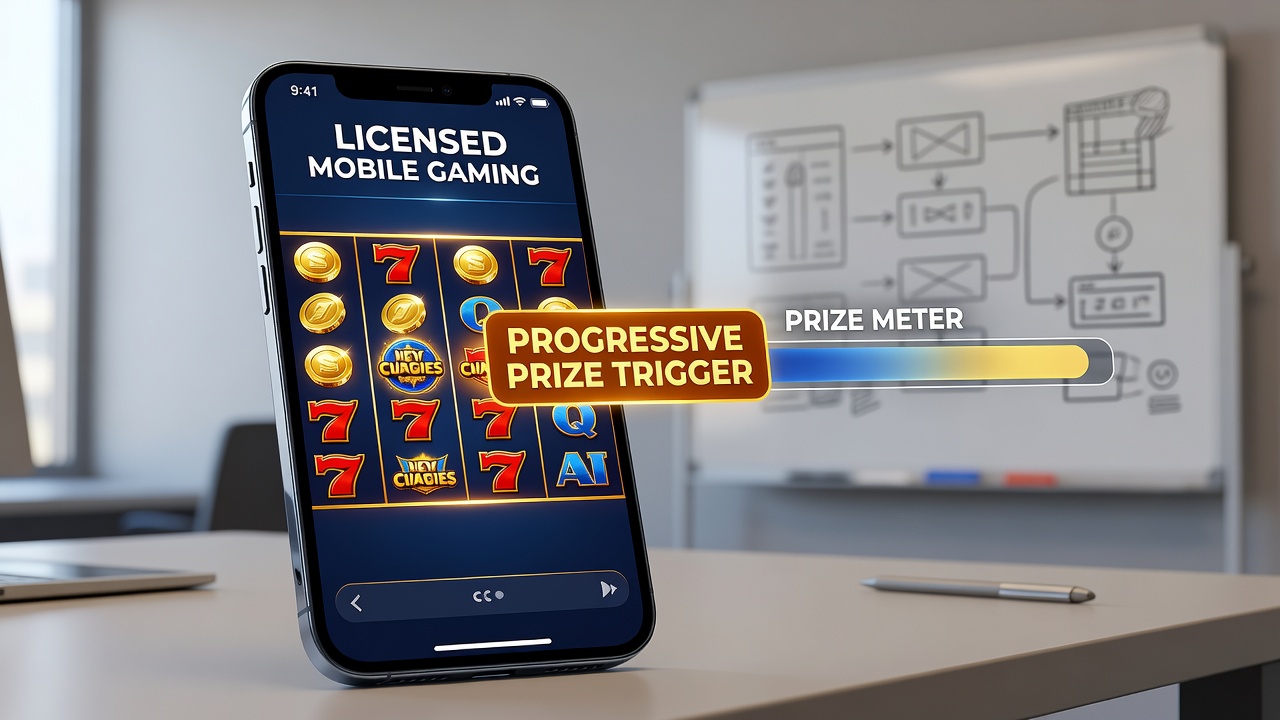
Personalization features let users customize notification frequency for prize updates, which operators track through anonymized usage logs submitted to oversight bodies. In October 2026, several North American and European licensing reviews are scheduled to examine how these customization options affect trigger transparency and overall system fairness in mobile deployments.
Regional Regulatory Approaches to Design Standards
Licensing frameworks in different regions impose varying requirements on interface clarity around progressive mechanics, with emphasis on preventing misleading representations of prize odds. The National Indian Gaming Commission in the United States has published technical standards that address display accuracy for accumulating prize pools in mobile formats. These standards require operators to maintain consistent visual scaling so that progress indicators reflect actual pool values across all supported devices.
Canadian provincial regulators similarly evaluate how interface animations might affect perceived control over random outcomes, prompting developers to include clear disclaimers within the same visual field as prize meters. Cross-border operators often align their design systems to the strictest applicable rules, resulting in unified interfaces that function consistently from one licensed market to another.
Technical Integration Between Design and Backend Systems
Backend servers communicate prize pool updates to front-end interfaces through secure APIs that update in near real time, and designers optimize load sequences to prevent lag between player actions and visible trigger progress. Testing protocols in licensed laboratories verify that interface responses remain synchronized with backend calculations, reducing discrepancies that could affect trigger timing. Industry reports compiled by the European Gaming Association highlight how latency reductions in mobile networks have enabled more fluid connections between user inputs and progressive systems.
Security layers embedded in interface code protect against manipulation attempts while preserving smooth user experiences, and regular audits confirm that design updates do not inadvertently alter trigger probabilities. Developers maintain version histories of interface revisions to demonstrate compliance during license renewal processes.
Conclusion
The relationship between app interface design and progressive prize triggers continues to evolve as licensed mobile gaming expands across global markets, with technical standards and user experience considerations shaping implementation details. Ongoing regulatory examinations scheduled for late 2026 will likely refine display requirements further, ensuring that interface choices support transparent and compliant prize mechanisms in all supported regions.